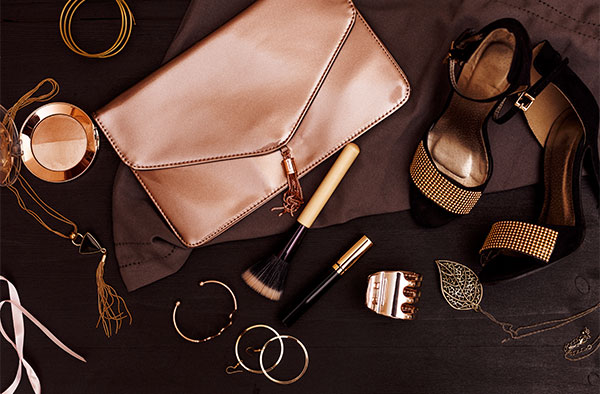
In a world where commodities are abundant, luxury goods stand apart as symbols of exclusivity, craftsmanship, and aspiration. From the gleaming jewels of ancient monarchs to the sleek lines of modern supercars, the allure of luxury transcends time and culture, captivating the hearts and minds of consumers around the globe 명품레플리카 . This extensive exploration embarks on a journey through the captivating realm of luxury goods, unraveling their historical roots, dissecting their contemporary significance, and examining the economic forces that underpin this fascinating industry.
Origins and Historical Significance:
The concept of luxury goods has ancient origins, dating back to the dawn of human civilization. From the ornate palaces of ancient Egypt to the sumptuous textiles of Imperial China, luxury has always been synonymous with wealth, power, and status. Throughout history, rulers and elites have adorned themselves with opulent treasures, using luxury goods to assert their dominance and project an image of grandeur and refinement.
Industrial Revolution and Modernization:
The Industrial Revolution marked a pivotal moment in the evolution of luxury goods, as technological advancements and mass production techniques revolutionized the way they were manufactured and consumed. Luxury became more accessible to a broader audience, with department stores, luxury emporiums, and global trade routes catering to a burgeoning middle class. The 20th century witnessed the rise of iconic luxury brands and conglomerates, solidifying the industry’s global presence and reshaping the cultural landscape.
The Psychology of Luxury Consumption:
Luxury goods evoke powerful emotions and desires, tapping into deep-seated psychological motivations such as social status, self-expression, and hedonism. Research in psychology and consumer behavior has shown that luxury purchases are often driven by a desire for identity signaling, social comparison, and emotional gratification. Brands leverage these insights to create aspirational narratives and cultivate a sense of exclusivity and belonging among consumers.
Craftsmanship and Artistry:
At the heart of luxury goods lies a commitment to craftsmanship, artistry, and attention to detail. From the intricate embroidery of haute couture gowns to the precision engineering of Swiss timepieces, each product is a masterpiece of skill and expertise. Luxury brands often collaborate with skilled artisans and craftsmen, preserving centuries-old techniques and traditions to ensure the highest standards of quality and authenticity.
Economic Impact and Future Trends:
The luxury goods industry plays a significant role in the global economy, generating billions of dollars in revenue and providing employment opportunities for millions of people worldwide. As emerging markets continue to grow and consumer preferences evolve, luxury brands are adapting to meet the demands of a changing world. From embracing digital technologies to prioritizing sustainability and ethical practices, the future of luxury goods promises to be as dynamic and exciting as ever.
Conclusion:
In conclusion, luxury goods represent more than just material possessions—they embody a rich tapestry of history, culture, and human aspiration. From their ancient origins to their modern-day incarnations, luxury goods continue to inspire awe and admiration, shaping the way we define beauty, elegance, and indulgence. As the industry continues to evolve and innovate, one thing remains certain: the allure of luxury will endure, captivating and enchanting consumers for generations to come.