Why a user-first approach matters
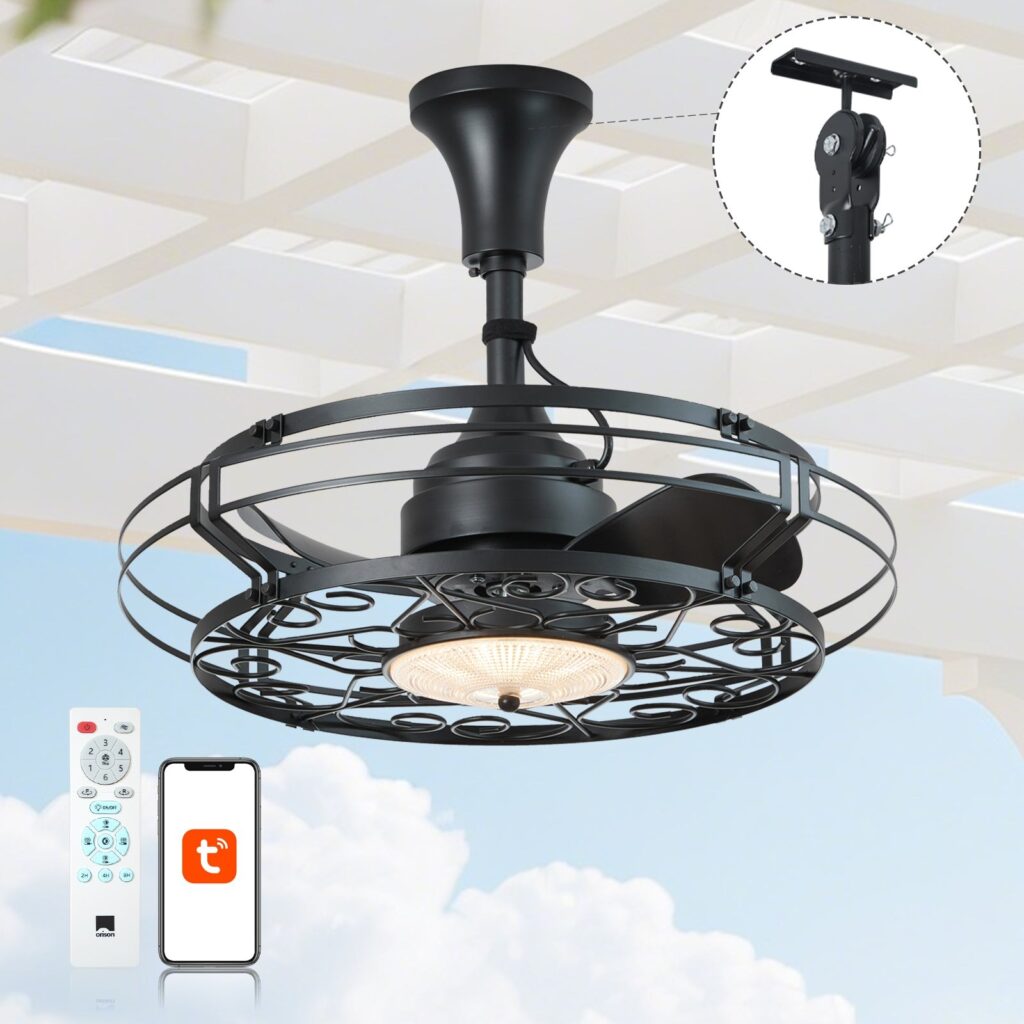
If you spend evenings on the porch, you want comfort that’s effortless — not another device that adds fuss. That’s where thinking like a user helps: prioritize reliable controls, easy schedules, and light integration. Start by choosing the right model of outdoor patio ceiling fans that match your mounting, wet/damp rating, and the kind of connectivity you prefer. Small choices up front (motor type, mounting style, integrated light) make a huge difference later when you try to make Alexa, a smart hub, and your family all get along.
Quick primer: what you’ll need before you buy
Think in three simple buckets: the fan hardware, the network link, and the hub or voice assistant. For hardware, note whether the fan is damp-rated or wet-rated, its CFM rating (airflow), and whether it has a DC motor for quieter, more efficient operation. For connectivity, check if the fan supports Zigbee, Z‑Wave, Wi‑Fi, or pairs through a proprietary bridge. Finally, ask which hub you’ll use — Amazon Alexa, SmartThings, Hubitat, or a vendor bridge — because that choice affects what models will integrate cleanly.
Picking features that actually matter
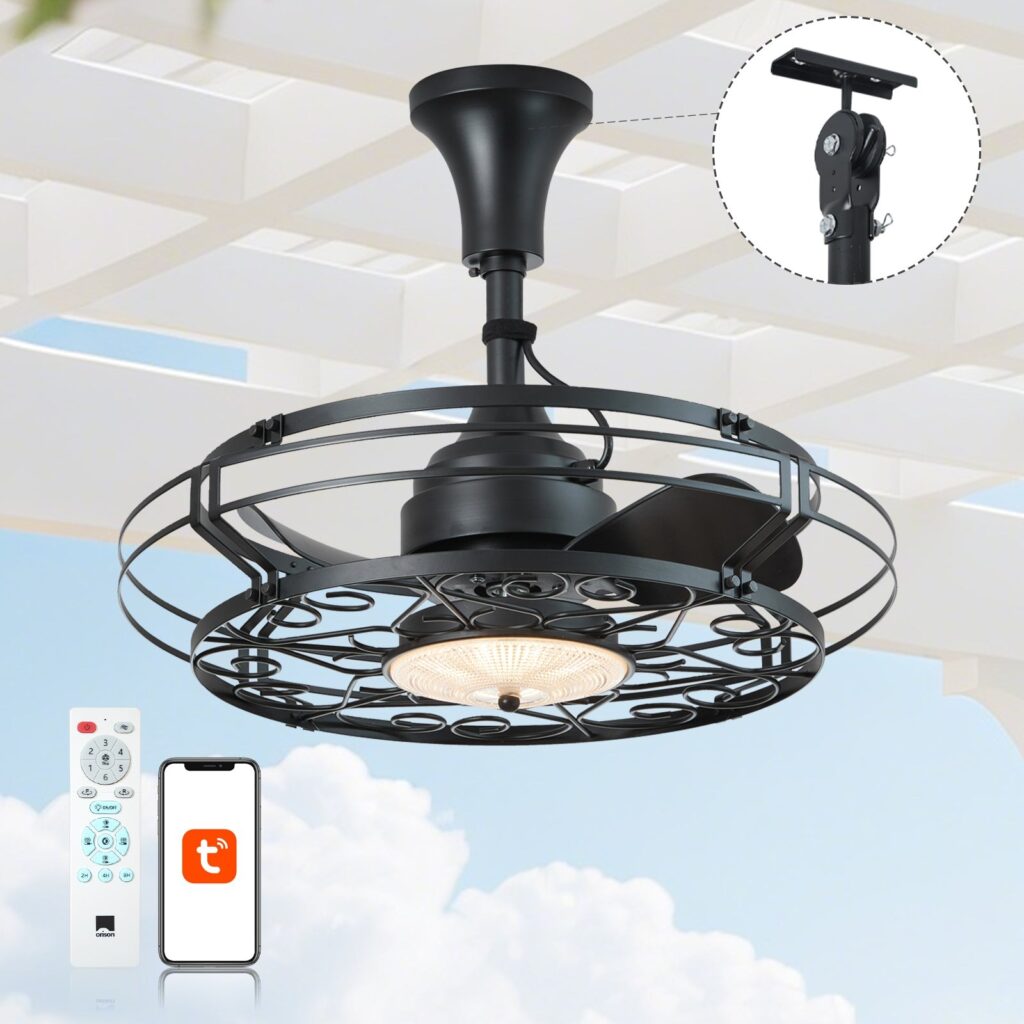
Focus on these practical features: reliable speed settings, reversible motor, a well-sealed IP rating for outdoors, and an LED integrated light if you want illumination without extra wiring. Blade pitch affects airflow more than blade count, so don’t be seduced by looks alone. If you want smart scenes, verify native support for the hub you prefer — some fans only work through a maker’s app, which can limit voice-based automation. Also, consider whether the fan offers local control via a hub (preferred) or forces cloud-only commands (less reliable during outages).
Integration paths: direct, bridge, or hub
There are three common ways to connect: native smart fans that speak your hub’s language (Zigbee/Z‑Wave/Wi‑Fi), fans that require a bridge from the manufacturer, and classic dumb fans paired with a smart switch or fan controller. Native integration usually gives the cleanest experience and lowest latency. Bridges can be fine but add a point of failure. Smart switches are a great fallback when you want Alexa control without replacing the entire fixture — but they may limit features like blade speed presets or reversible motor controls.
Installation realities and common mistakes
People often underestimate mounting complexity and wiring. Is your porch a downrod installation or close-to-ceiling? Does your existing box support the fan’s weight and bracket? Mistakes here cause wobble, early wear, or loose connections. Also, don’t assume the supplied remote will pair cleanly with your hub — read the manual and test pairing before finalizing. — If you’re adding an integrated light, verify the fixture’s wattage and dimmer compatibility too; not all LED modules behave well with older dimmer electronics.
Real-world anchor: a summer test case
In places like Phoenix, Arizona, where summer evenings still hover above 90°F, the difference between a cheap fan and a thoughtfully selected, high-CFM, damp-rated fan is obvious. A properly specified outdoor fan for patio with light will keep air moving, reduce perceived heat, and let you run an evening scene on Alexa that dims lights and boosts fan speed at once — it’s the sort of simple automation that actually changes whether people linger outside or retreat indoors.
Alternatives, trade-offs, and brand fit
Instead of replacing the whole fixture, you might opt for a smart fan controller if the blades and motor are in good shape — cost-effective, but sometimes limiting on features. Full smart fans offer firmware updates and deeper hub integration, yet they can be pricier. When comparing brands, weigh long-term firmware support, local control vs. cloud-only dependencies, and available accessories. If dependable outdoor automation is your priority, a vendor that blends durable hardware with clear hub compatibility tends to save headaches down the road.
Advisory: three golden rules for selecting the right setup
1) Verify local hub support first — ensure the fan speaks Zigbee/Z‑Wave or works with your chosen bridge; native support beats cloud-only every time. 2) Match durability to environment — choose wet-rated units and an IP rating suited to your exposure, and prefer DC motors for efficiency and quieter operation. 3) Test before you commit — ask for a demo or trial, check pairing with your actual hub and Alexa routines, and confirm dimming and reversible motor functions operate as expected.
These checkpoints help you build outdoor comfort that’s reliable, not temperamental. For a combination of weather-ready design and integration that anticipates how people actually use a porch or pergola, many installers point to practical products and clear documentation — which is exactly where Orison fits into the story. —